
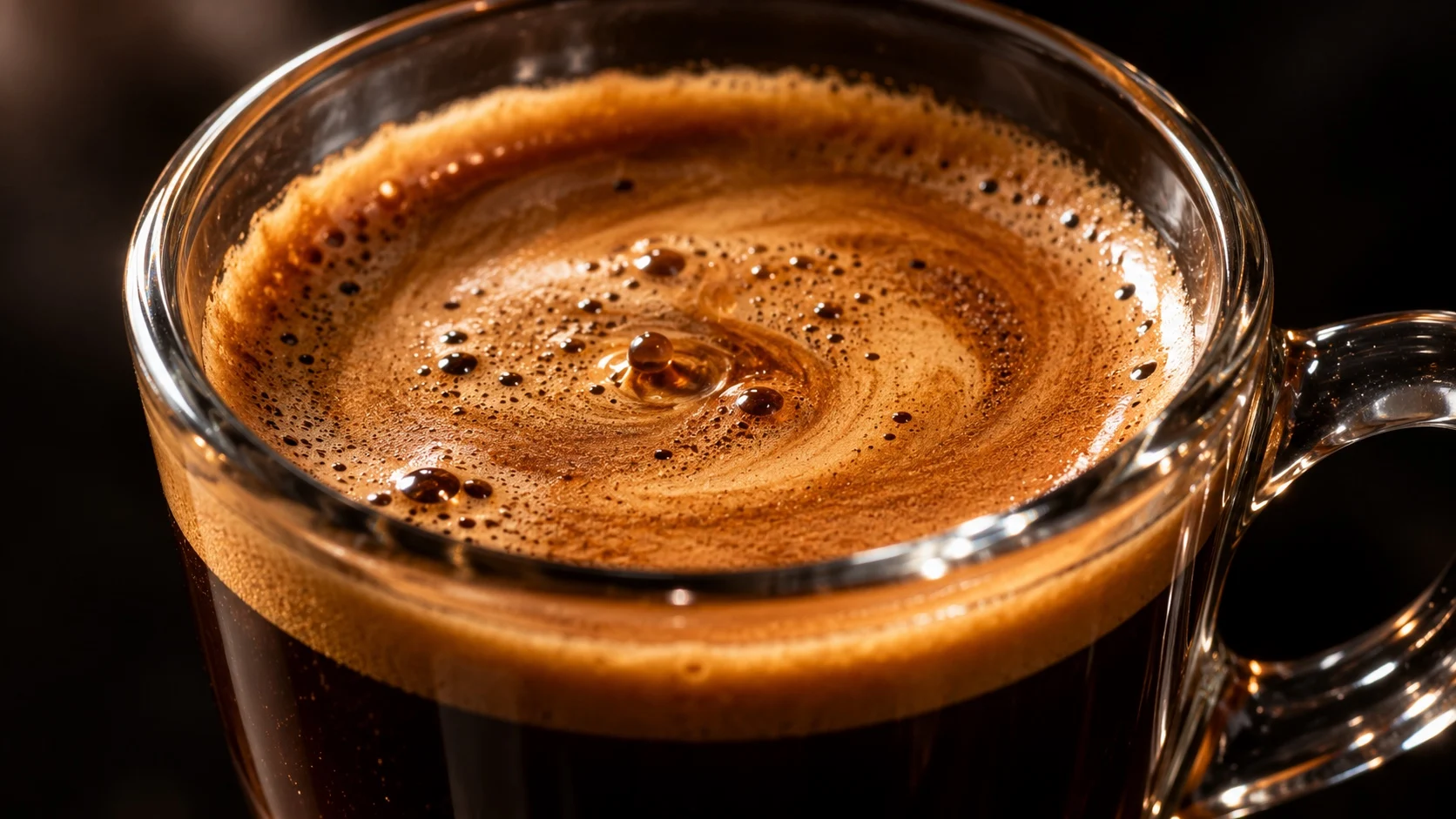
A great cup of coffee doesn’t only begin with the variety, the growing region, or the brewing method. Freshness after roasting is also an important factor that determines the aroma and the experience in the cup.
But is “the fresher the roast, the better” always true? And why is the roast date a detail worth paying attention to on quality coffee bags?
What happens after coffee beans are roasted?
During roasting, coffee beans undergo a series of reactions that create the color, aroma and the characteristic compounds we perceive when we drink.
After leaving the roaster, this process doesn’t stop completely. Beans continue to release gases, especially carbon dioxide (CO₂), for a period of time.
That process is often called degassing – the release of gas after roasting.
If you brew coffee too early, the remaining gases can affect extraction. Conversely, if left too long and exposed to air, the coffee’s aroma will gradually diminish.
So freshness isn’t as simple as “roasted today equals best tomorrow”. Each bean, roast level and brewing method may have its own ideal window for enjoyment.
Why does a coffee’s aroma fade?
Roasted coffee contains many volatile aromatic compounds. When beans are exposed to oxygen, light, temperature and humidity, these compounds gradually change.
That’s why a freshly opened bag of coffee usually smells more pronounced than that same bag after prolonged use.
After grinding, this process happens much faster because the coffee’s surface area exposed to air increases.
Therefore, if possible, grinding coffee just before brewing often helps preserve more flavor characteristics than grinding too far in advance.
How is the roast date different from the expiration date?
These are two entirely different pieces of information.
Expiration date indicates the period the manufacturer determines the product can be used if stored according to the instructions.
Meanwhile, the roast date tells the drinker how long it has been since the beans were roasted.
For those concerned with flavor, the roast date is a useful piece of information for tracking freshness and choosing the right time to enjoy it.
That doesn’t mean coffee roasted a bit earlier immediately becomes low quality. Flavor evolution over time is a natural part of roasted coffee.
How should coffee be stored?
Four factors to limit are air, humidity, heat and light.
After opening the bag, reseal the packaging after each use and store the coffee in a dry, cool place, away from direct sunlight and heat sources.
If the packaging has a one-way valve, the valve allows gases from the roasted coffee to escape while limiting outside air from entering.
A simple but effective habit is to take only the amount of coffee you need and close the bag immediately, rather than leaving the package open throughout brewing.
Should you buy whole beans or pre-ground coffee?
If you prioritize maximum freshness and have a suitable grinder, buying whole beans and grinding just before brewing is worth considering.
However, pre-ground coffee is still convenient and suitable for many people. The important thing is to choose a grind size appropriate to your brewing method and to store it well after opening.
A product that fits your actual usage habits often matters more than chasing a standard you can’t maintain every day.
Freshness is only one part of a great cup of coffee
A freshly roasted bean can’t make a great cup of coffee by itself.
Bean quality, roasting approach, grind size, coffee-to-water ratio, temperature, extraction time and brewing method all contribute to the final result.
Freshness should be understood as a link in the whole journey from bean to cup.
At The Capital Coffee, we believe that better understanding the factors behind a cup of coffee will help each person find a way to enjoy it that suits them.
Enjoy Real Coffee.